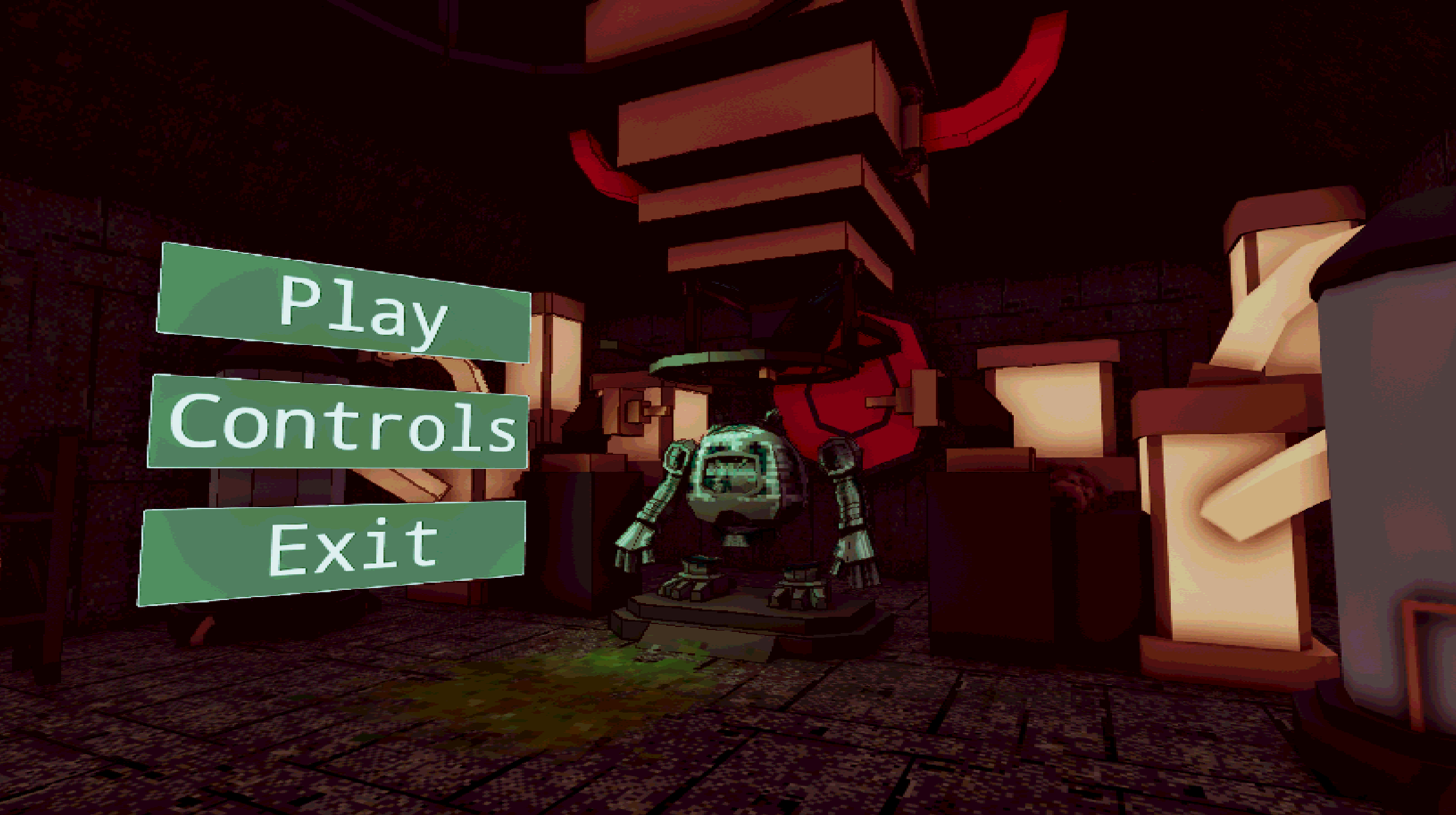
Floor 54
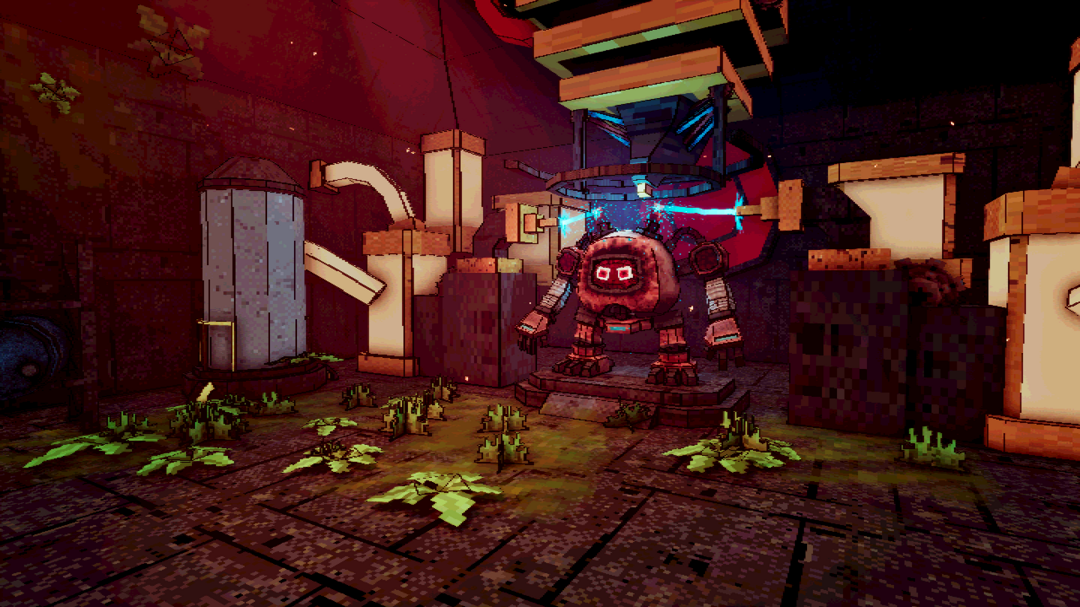
Gameplay
Features & Technical Breakdown
Personal Contributions
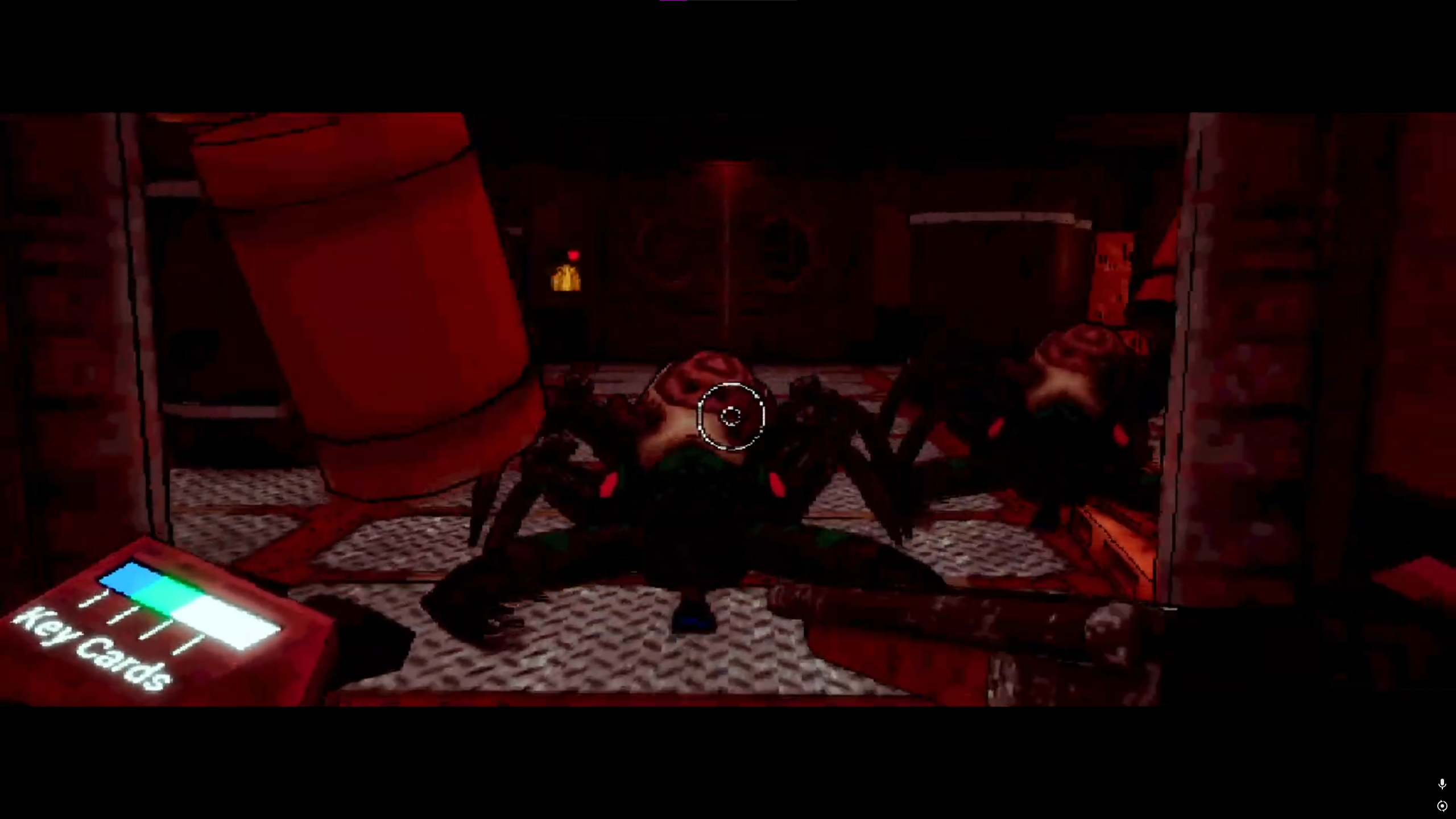
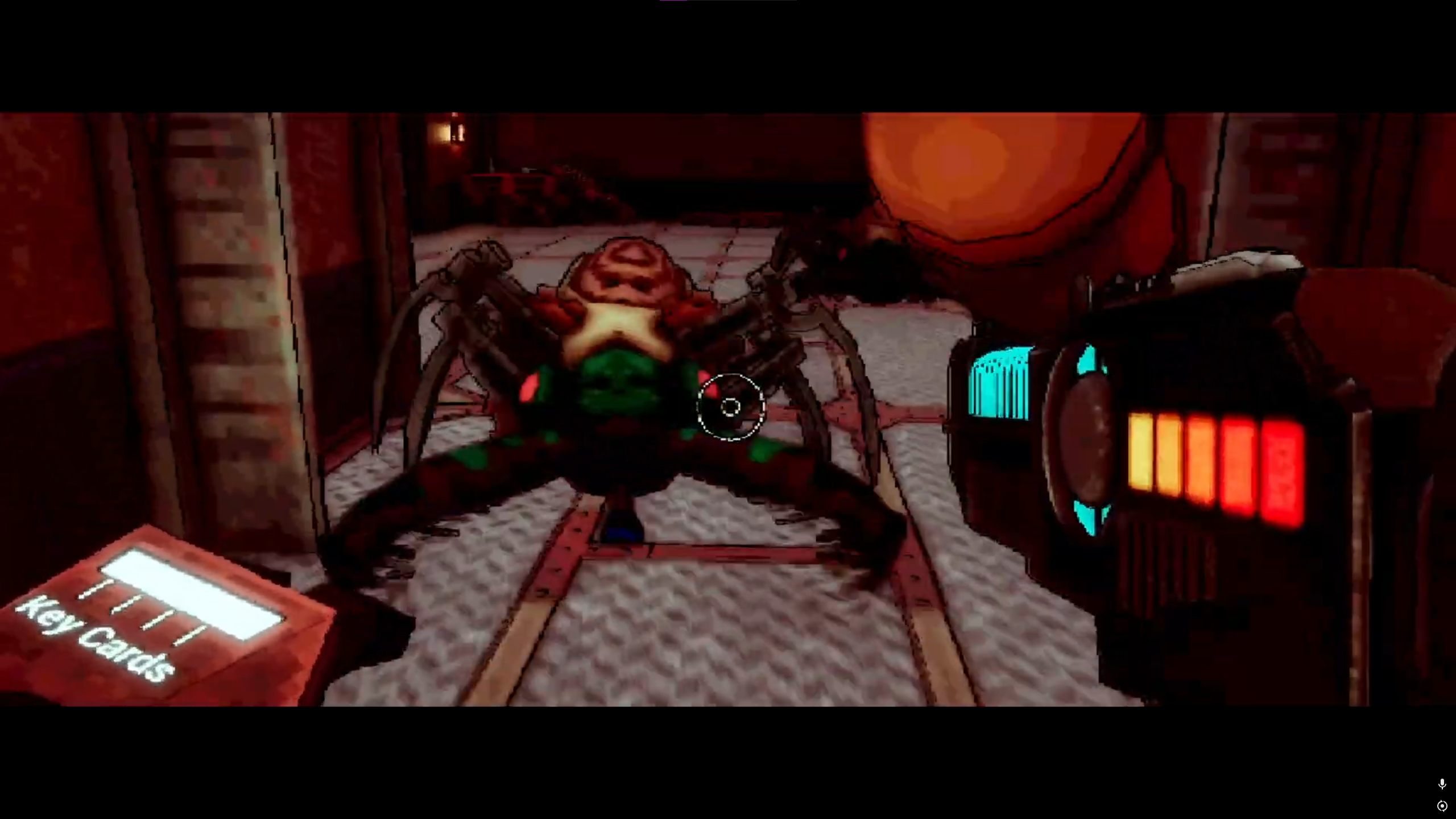
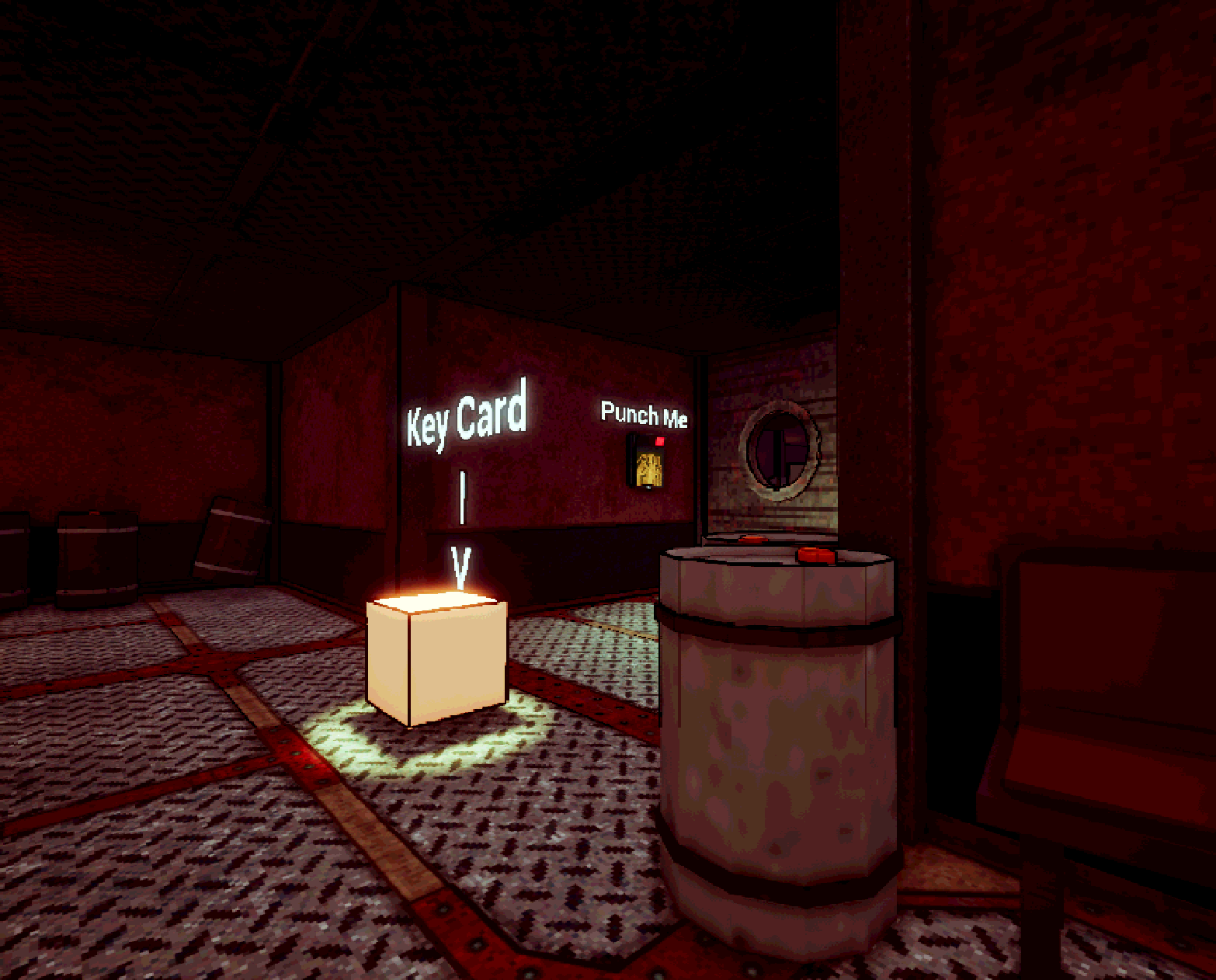
~~ Gameplay Systems ~~ • Developed modular door and keycard systems using Blueprint inheritance. • Implemented level progression systems controlling player advancement. • Created interactive environmental gameplay objects. ~~ Enemy Architecture ~~ • Developed enemy base class architecture for shared functionality. • Designed spawning systems for encounter management and balancing. ~~ UI Integration ~~ • Connected gameplay systems to UI feedback and progression indicators.
Additional Responsibilities as a Lead Programmer
~~ Leadership/Team Coordination ~~ • Managed programming tasks across the development team. • Coordinated integration of gameplay systems. • Maintained the GitHub repository and source control workflows. • Collaborated with design, art, and production leads. • Mentored less experienced Unreal developers.
Technical Challenges
~~ Challenge: Creating Reusable C++ Base Classes ~~ One of the project's key technical goals was ensuring gameplay systems were modular and reusable, allowing designers to implement and iterate on content without requiring constant programmer support. To achieve this, I developed a series of C++ base classes that established consistent functionality across gameplay objects through the use of events and interfaces. Variables intended for designer configuration were exposed to Blueprint, reducing dependency on programmers during implementation and iteration. Each object archetype could be traced back to a common parent class, promoting standardisation, reducing duplicated logic, and simplifying future expansion. To further support implementation, I produced written documentation for newly developed systems, enabling designers and other programmers to integrate features independently and consistently. ~~ Challenge: Modular Gameplay Systems ~~ Gameplay assets needed to be reusable across multiple levels and scenarios. Not only that, but they needed to be easy enough to understand and use for when designers implemented them. I created several modular base classes in C++, which were later used to implement the Blueprint systems for the doors, keycards, environmental assets, and level interactions. This allowed designers to rapidly create new encounters without requiring programmer intervention. ~~ Challenge: Team Integration ~~ As my first main experience as a lead with multiple programmers working simultaneously, maintaining compatibility and efficiency between various gameplay systems became increasingly difficult. To tackle this, I established workflows for both GitHub and Microsoft Planner to help coordinate system integration. I oversaw this first-hand, ensuring features could be merged efficiently throughout development.
Results
• Worked as a programming lead in a team of 25. • Managed source control within the team. • Developed several modular systems. • Created in a 9-week development cycle.
Gallery